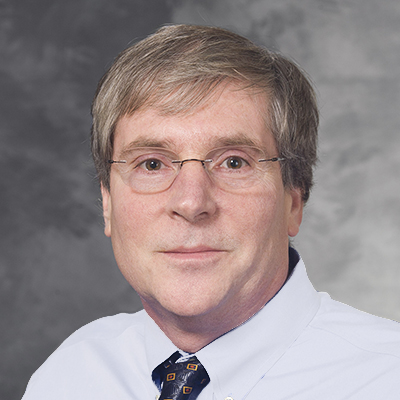
 When Dr. Steven Howard walked into a patient’s room, time seemed to slow down. “Patients absolutely loved him because he was so empathetic,” recalls Lori Hayes, a longtime colleague and retired clinical nurse specialist. “When he was in a room with them, he was present. It wasn’t like he was thinking about three other patients. They never, ever felt rushed.”
That presence—and the compassion behind it—defined Howard’s 27-year career in the Department of Human Oncology at the University of Wisconsin. As he steps into retirement this year, colleagues and former patients alike are reflecting on a legacy that spans groundbreaking research, transformative clinical programs, and countless human connections.
A Career Built on Innovation and Impact
Howard joined the department in 1998 after completing his MD and PhD at UW–Madison, and residency at Harvard. Over nearly three decades, he became a national leader in the treatment of brain tumors, pioneering techniques that improved outcomes for patients facing some of the most aggressive cancers.
Among his contributions: the development of pulsed reduced dose-rate reirradiation, a technique now entering Phase III trials. “It’s been a remarkable additional treatment option,” Hayes notes. “It’s not a cure, but it has improved survival length for high-grade glioblastomas.”
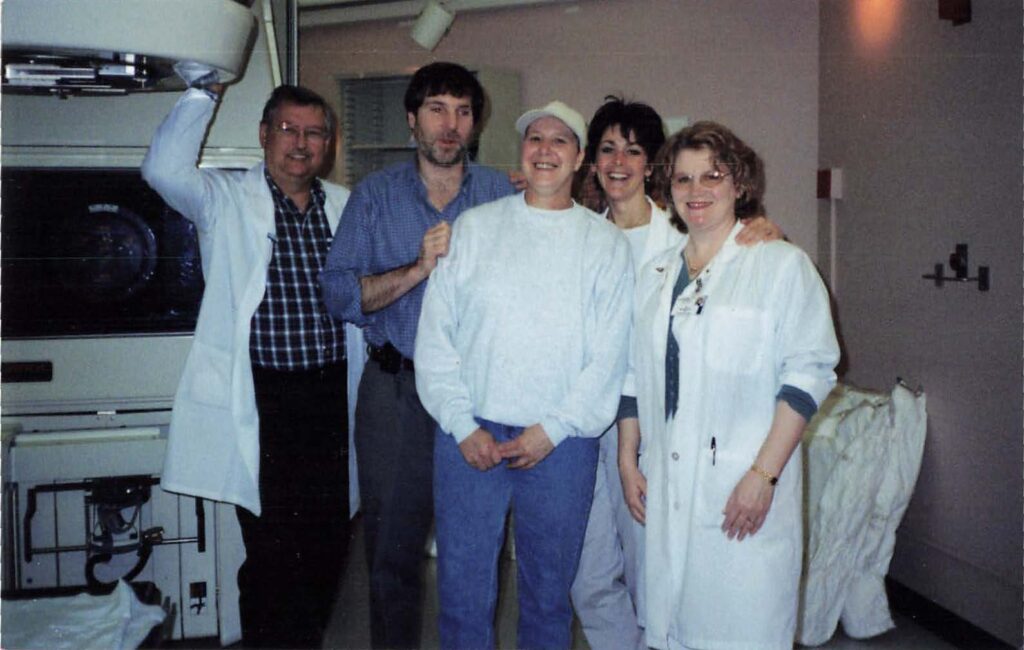
Howard also helped grow the department’s stereotactic radiosurgery (SRS) program, which delivers highly targeted radiation to small brain lesions and also is used in the treatment of trigeminal neuralgia. “When he took over that program, he made it collaborative,” says Dr. Brett Morris, a faculty colleague and former resident. “He trained all of our physicians so any provider could offer radiosurgery, not just a select few. That really helped expand access for patients.”
Today, radiosurgery is offered at both University Hospital and Eastpark Medical Center—a testament to Howard’s vision for a team-based approach.
Mentor, Colleague, Friend
Howard’s influence extended far beyond the treatment room. He mentored generations of residents, often blending education with his love of music and film. “He would take residents to concerts or host movie nights at his house to make sure they had an appreciation for classic films,” Morris recalls with a smile.
For Morris, the mentorship was deeply personal. “When I first met Steve in 2017, he was treating my father for glioblastoma,” he shares. “I saw the way he talked to my dad and mom, putting them at ease. Later, as his trainee, I learned from that same compassion.”
One moment stands out: “When my dad had a recurrence, Steve walked him from the first floor of the hospital to the basement for a planning scan, holding his hand the whole way and talking about Eric Clapton, who he had discovered both my father and Steve loved. That’s who Steve is—he connects.”
Howard’s empathy wasn’t reserved for clinic hours. Each week Steve reserved time on his calendar to call his patients near the end of life—sometimes 15 to 20 every Wednesday—just to check in. “He didn’t bill for it. He didn’t need or want recognition,” Morris says. “He did it because it was the right thing to do, and because he cared deeply for every patient he had accompanied on their cancer journey.”
The Culture Steve Built
Ask anyone who worked with Howard, and you’ll hear about his quiet humor, encyclopedic music knowledge, and knack for building community. He was the mastermind behind the department’s annual Frank Zappa pizza party and a steady source of levity during long clinic days.
“He gave me the autonomy to start the brain tumor support group and brain tumor educational conferences,” Hayes says. “Whenever we needed something for patients, Steve advocated for it. He was always available to bounce ideas off and provide his two cents on a topic.”
That advocacy extended to shaping the department’s culture. “We have a team here that really gets along and loves to spend time together,” Morris says. “That’s because of Steve’s leadership and the type of people he recruited.”
Beyond Medicine
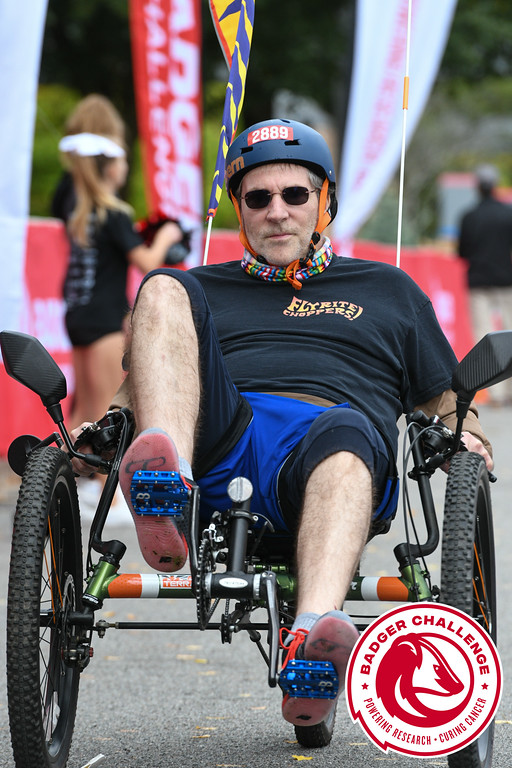
Howard’s passions outside the hospital are as distinctive as his career. A lifelong motorcyclist, he owns 16 bikes and has ridden across continents. Fifteen years ago, he and his brother spent two months motorcycling across half of Australia. This fall, he plans to return to finish the journey.
He’s also a devoted father, a classic movie buff, and a rock music aficionado. “You never knew what random fact about music was going to come out of Steve during planning sessions,” Hayes laughs. “He kept things interesting.”
A Legacy That Endures
As Howard retires, his impact will ripple through the department for years to come—in the programs he built, the research he advanced, and the people he inspired.
“There are physicians you’ll remember all your life and try to live up to. Steve Howard is one of those people.” — Dr. Brett Morris