 WELCOME TO THE RADIATION ONCOLOGY PHYSICS RESIDENCY PROGRAM.
Thank you for your interest in the Radiation Oncology Physics Residency Program. We are proud of our program’s history of training impactful therapeutic medical physicists, and we are excited about making you part of that heritage. We hope you will find our website helpful and informative as you go through the process of selecting and applying for a residency program.
PROGRAM SUMMARY
The Radiation Oncology Physics Residency Program is a two-year, CAMPEP-accredited program. It is designed for individuals with a graduate degree in medical physics, physics or engineering and who have graduated from a CAMPEP-accredited graduate program, successfully completed a CAMPEP-accredited certificate program or successfully completed the core didactic coursework identified on the CAMPEP website.
The program provides comprehensive clinical training in all aspects of radiation oncology physics, including
- linear accelerator operation and quality assurance
- basic and advanced treatment planning
- radiation detectors and measurement systems
- brachytherapy
- imaging systems as applied to radiation oncology
- radiosurgery
- treatment planning system modeling and validation
- special clinical procedures
- shielding and radiation safety
- radiation equipment and procedure commissioning
Our residents participate in clinical work under the supervision of experienced radiation oncology physicists and have access to many research opportunities and resources.
Graduates of the program positively impact patients by enabling the highest quality of care and ensuring the safest therapeutic use of radiation. They are well prepared for professional careers in radiation oncology physics and board certification in therapeutic radiological physics by the American Board of Radiology.
ORGANIZATIONAL STRUCTURE
The Department of Human Oncology (DHO) at the University of Wisconsin (UW) is dedicated to advancing the field of radiation oncology through excellence in education, research, and patient care. Our team is devoted to delivering high-quality, compassionate care to individuals affected by cancer, conducting innovative research that drives progress in cancer treatment, and training the next generation of physics leaders. The residency program faculty consists of faculty and academic staff within the School of Medicine and Public Health and clinical UW Health staff. The resident will join a team that includes approximately 24 medical physicists, 20 radiation oncologists, 6 medical physics residents, 8 radiation oncology residents, and numerous dosimetrists, therapists, clinical engineers, medical physics assistants, and other clinical and administration staff.
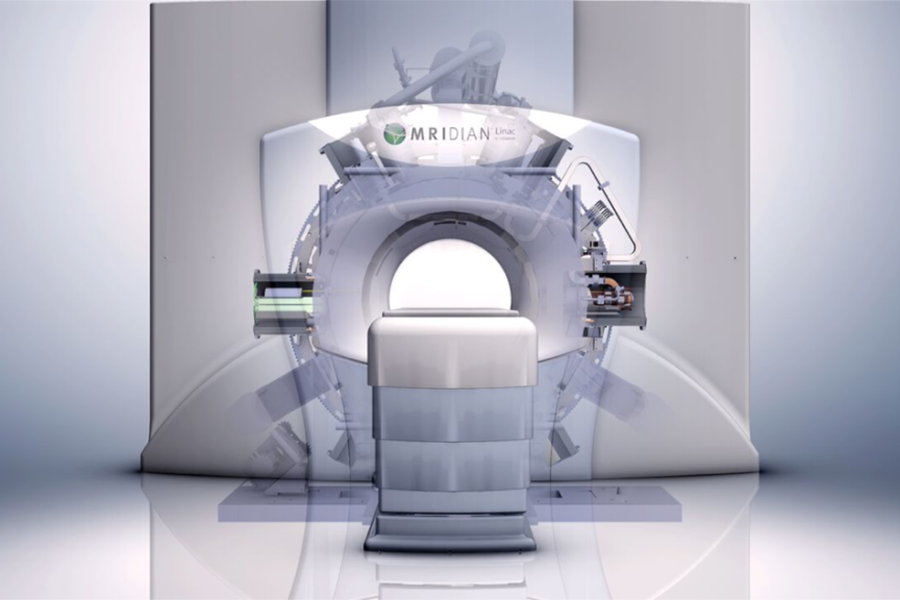
Our residents have access to state-of-the-art clinical facilities, as well as research facilities that facilitate cutting-edge research in our field. The department treats ~2300 patients per year. A wide range of treatments and special procedures are offered including 3D-CRT, IMRT, VMAT, SBRT, SRS, SgRT, IgRT, MRgRT, gantry-based and upright proton therapy, TBI, TSET, ventricular tachycardia radioablation, fiducial tracking, HDR & LDR brachytherapy, radiopharmaceutical therapy, MR-sim, 4DCT, dual energy CT, respiratory gating, and online adaptive RT.
Residents will primarily spend their time at the University Hospital located on the University of Wisconsin campus and the EastPark Medical Center located on the east side of Madison, approximately 12 miles from main campus. Some resident education also takes place at the Veterans Hospital located directly next to the University Hospital and the UW Cancer Center in Johnson Creek, WI located about 45min from main campus. Learn more about our clinic locations here.
This is an accordion element with a series of buttons that open and close related content panels.
Welcome
Program Structure
About the Department
Current and Former Residents
Admissions Process
Contact Us
Abby Besemer, PhD, DABR (she/her)
Director of Radiation Oncology Physics Residency Program

Allison Arnold, MS, DABR (she/her)
Associate Director of Radiation Oncology Physics Residency Program


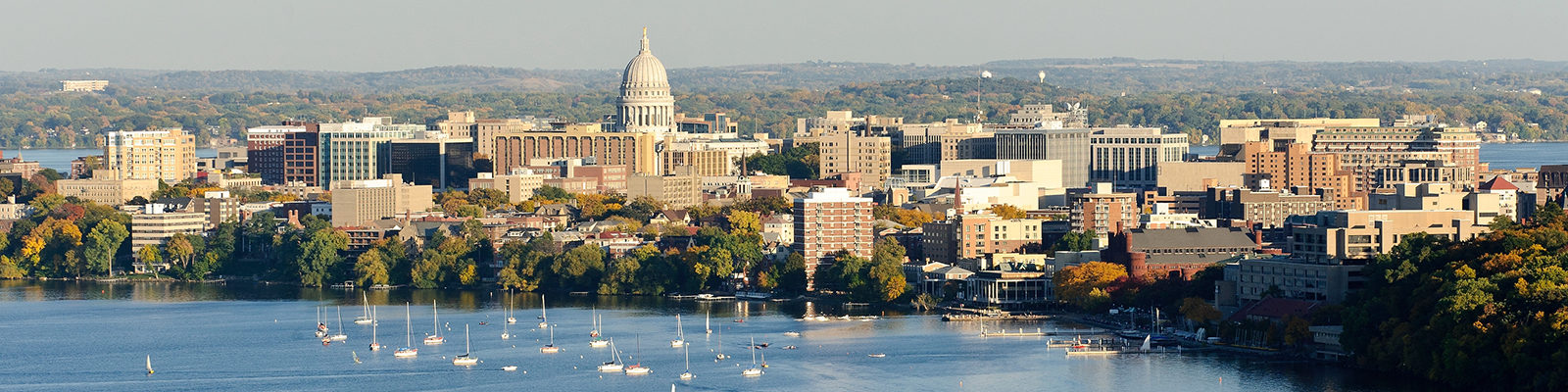
Madison, WI
See why Madison, WI gains growing recognition as one of the best ranked cities in the world.